 |
 | |||||||||||||||||||||||||||||||||||||||||||||||||||||||||||||||||||||||||||||||||||||
|
|
| ||||||||||||||||||||||||||||||||||||||||||||||||||||||||||||||||||||||||||||||||||||


   |
 | |||||
|  PII p4 |
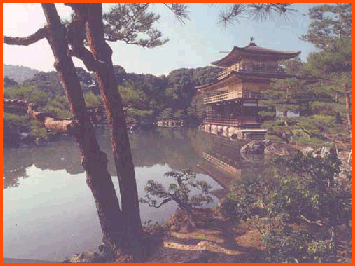
The pond was once filled with lotus leaves and designed to create an image of paradise (The seven-treasure pond of the Buddhist paradise), but its present untrammelled surface forms a perfect mirror for the Pavilion. | |||
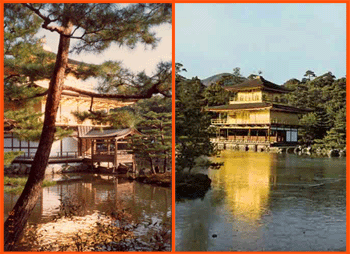 | |||||
This lake is broken by an island embedded with stones and planted with tall pines, while smaller islands emerge here and there. Some are tortoise shaped. This garden illustrates the love of islands and lakes in both Japanese and Chinese gardens of old. The clay soil of this area is ideal for the formation of a large lake, for it holds the water well. | |||||
| |||||
 PII p5 PII p5 | |||||
🆕 We have a new website! Visit us at
https://auroville.org/
for the latest news and information about Auroville.