 |
 | |||||||||||||||||||||||||||||||||||||||||||||||||||||||||||||||||||||||||||||||||||||
|
|
| ||||||||||||||||||||||||||||||||||||||||||||||||||||||||||||||||||||||||||||||||||||


   |
 | |||||
|  PV p2 |
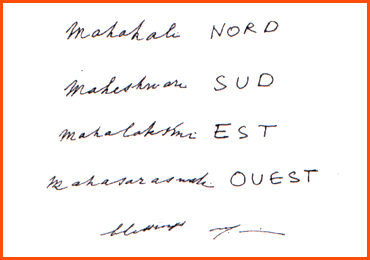
The excavation work was completed early 1972. The casting of the foundations for the Matrimandir began on 21.2.72, the Mother's birthday. On 17.7.1972 the Mother named the four pillars of the Matrimandir: | |||
| |||||
Much earlier the Mother had indicated for Huta the colours of the attires befitting the Mahashakti and each of Her four aspects:
"Supreme Mother: white and gold. Mahakali: red and gold. Maheshwari: royal blue and gold. Mahasaraswati: white and red. Mahalakshmi: pink, green and mauve, all pastel colours." Roger's concept for the central area has now evolved to include twelve large petals around the sphere and lesser earth movements away from it, to express the symbol of the perfect golden sphere emerging from the opening earth. | |||||
 PV p3 PV p3 | |||||
🆕 We have a new website! Visit us at
https://auroville.org/
for the latest news and information about Auroville.