 |
 | |||||||||||||||||||||||||||||||||||||||||||||||||||||||||||||||||||||||||||||||||||||
|
|
| ||||||||||||||||||||||||||||||||||||||||||||||||||||||||||||||||||||||||||||||||||||


   |
 | |||||
|  PIV p10 |
| |||
|
The above selection comprised of hibiscuses - medium-sized shrubs -, lilies for ponds, cactii, and plumerias - medium-sized trees. As the Matrimandir Nursery developed, it cultivated more and more of the plants, shrubs and trees that would be established not only in the inner gardens but in what came to be called the outer gardens as well. Here are some of those flowers with their significances as given by the Mother. |
|||||
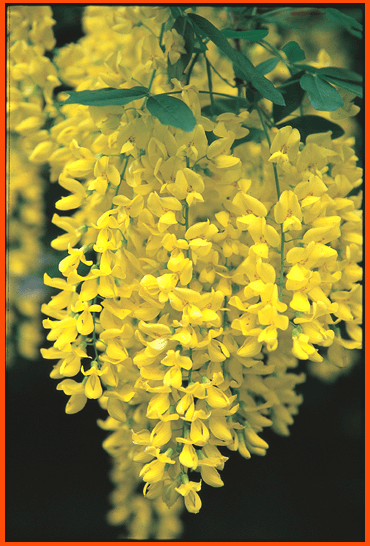
"Descent of the Light" (Large shrub) |
|||||
 PIV p11 PIV p11 | |||||
🆕 We have a new website! Visit us at
https://auroville.org/
for the latest news and information about Auroville.